The prospect of modernizing operational systems in a protein or seafood manufacturing environment creates genuine anxiety for most leadership teams. The concern is not that modernization is unnecessary — it usually is. The concern is that the implementation process will disrupt production in a facility where production cannot be disrupted without direct financial and customer consequences.
This article addresses how growing protein manufacturers modernize their operational systems in a practical sequence that minimizes production disruption, based on what successful implementations actually look like.
Why Modernization Anxiety Is Legitimate
The anxiety around operational modernization in food manufacturing is not irrational. Protein and seafood manufacturing operations run on tight schedules with narrow tolerances. A production system that goes live incorrectly — with wrong inventory counts, inaccurate lot records, or broken compliance documentation — can create problems that cascade through production planning, customer fulfillment, and compliance reporting simultaneously.
The risk is real. Poorly planned implementations in food manufacturing environments have disrupted operations, damaged customer relationships, and in some cases created compliance exposure during transition periods.
The answer is not to avoid modernization. It is to approach it with a methodology that accounts for the operational sensitivity of a food manufacturing environment.
The Modernization Sequence That Minimizes Risk
Successful operational modernization in protein manufacturing follows a consistent sequence that builds confidence before going live:
Phase 1 — Operational assessment: Before any system decision is made, a structured assessment of current operations identifies the highest-priority gaps — the places where disconnected systems are creating the most significant operational, compliance, or financial risk. This assessment establishes the baseline and defines success criteria for the modernization.
Phase 2 — Pre-configured implementation: Purpose-built food manufacturing ERP systems include pre-configured bundles that reflect standard food industry workflows. Starting from a pre-configured baseline — rather than building from scratch — substantially reduces implementation time and risk. The configuration work involves adapting the pre-built food manufacturing functionality to the specific operation, not designing it from the ground up.
Phase 3 — Parallel operation: During the implementation period, the legacy system and the new system operate in parallel. Transactions are entered in both. This validates that the new system is producing correct results before the legacy system is retired. In food manufacturing, the parallel operation phase typically focuses on the highest-risk processes — catch weight tracking, lot traceability, compliance documentation.
Phase 4 — Go-live by module: Rather than switching everything at once, a phased go-live approach introduces functionality in priority order. Inventory and lot tracking go live first. Production management follows. Financial integration completes the transition. This approach limits the operational exposure at any single go-live event.
Phase 5 — Post-go-live optimization: The first 90 days after go-live are an optimization period — refining configurations, training staff on advanced functionality, and capturing the efficiency gains that motivated the implementation.
What Pre-Configured for Food Manufacturing Actually Means
The most significant risk reduction factor in a food manufacturing ERP implementation is starting from a pre-configured foundation that already incorporates food industry workflows.
A pre-configured food manufacturing implementation includes, out of the box: – Catch weight transaction logic — no custom development required – FEFO inventory management — built into the picking and receiving workflows – Lot traceability — forward and backward trace capability built into standard transactions – Compliance documentation templates — HACCP, sanitation, quality control documentation structures – Allergen management — built into product specification and labeling workflows
Starting from this baseline means the implementation team is configuring an existing food manufacturing system — not building food manufacturing capability from scratch. The time and risk difference is substantial.
The Timeline for a Protein Manufacturing Implementation
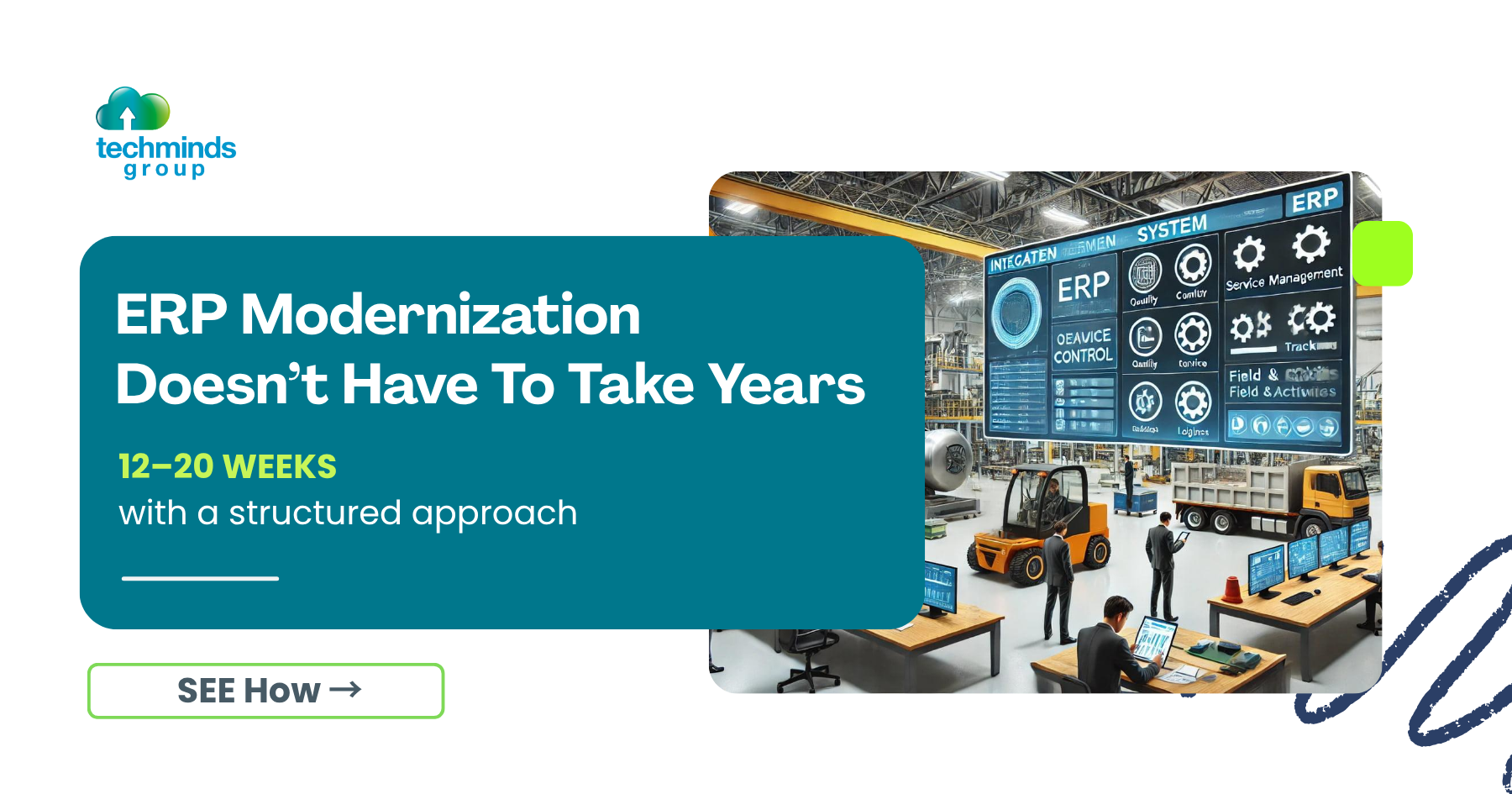
A realistic implementation timeline for a mid-size protein or seafood processor — $20M to $150M in revenue, with standard operational complexity — using a pre-configured food manufacturing ERP platform typically runs 12 to 20 weeks from project kickoff to go-live.
This timeline includes: – Weeks 1–3: Operational assessment and current-state documentation – Weeks 4–8: Configuration of the pre-built food manufacturing foundation to the specific operation – Weeks 9–12: Data migration (inventory, lot records, supplier information, customer data) and testing – Weeks 13–16: Parallel operation and staff training – Week 16–20: Go-live by module, with post-go-live support
The timeline varies based on operational complexity, data quality, and the number of integration points with existing systems. But the critical point is that a pre-configured approach is not a multi-year project. It is a focused 4–5 month implementation that delivers operational capability within a timeframe that is relevant to current business pressures.
Techminds Group specializes in food manufacturing ERP implementations for protein and seafood processors — with a pre-configured foundation and a delivery methodology designed for food operations. If a conversation about your specific modernization situation would be useful,
A 15-minute call at https://techmindsllc.com/erp-built-for-poultry-processing-operations/ is a practical starting point.